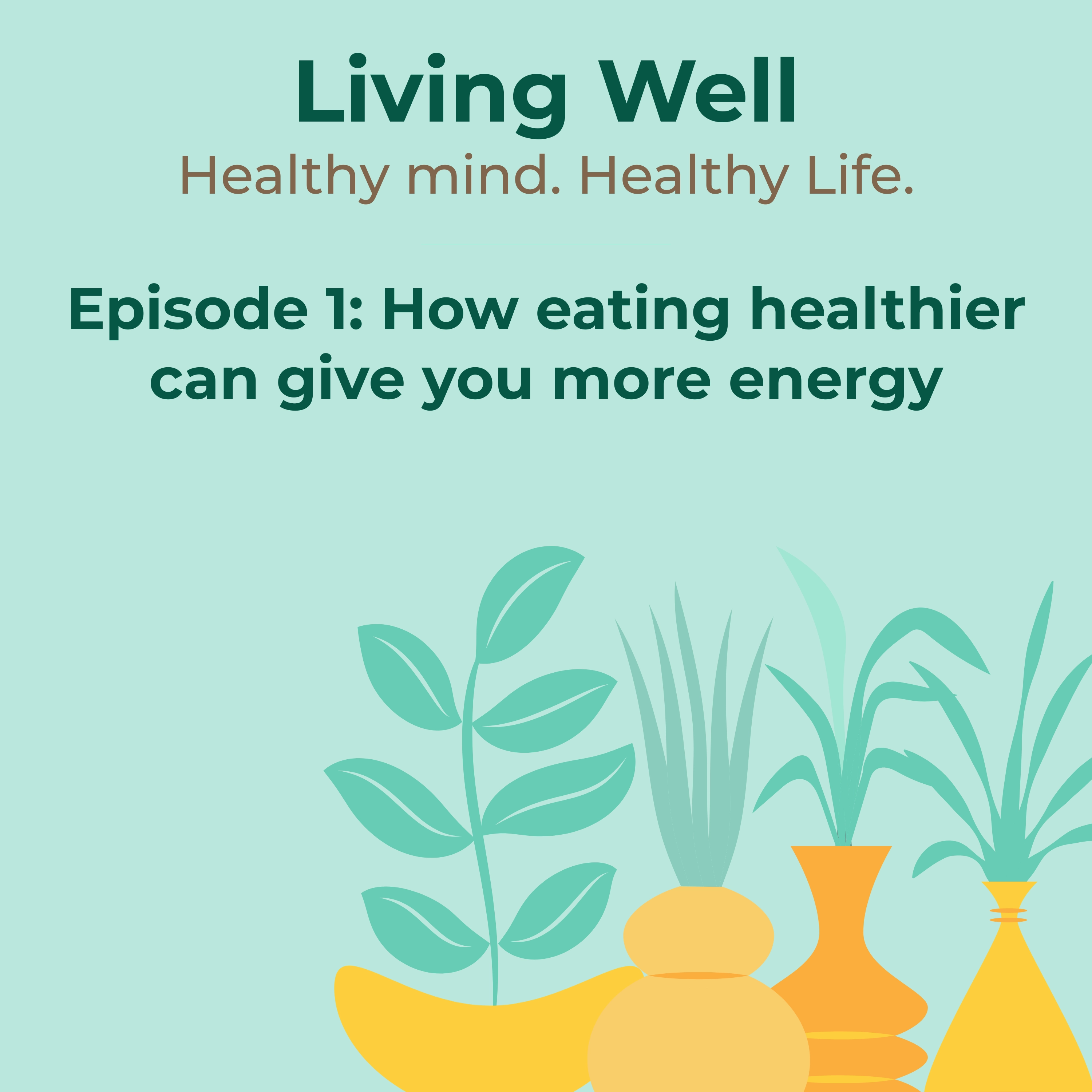
Living Well Podcast Cover

living-well-podcast-cover

A calm cover for health and wellness shows, framed in greenery. The show title sits large, with room beneath it for the episode.

No credit card. Work in the visual designer or edit the underlying HTML and CSS.

Know what you will get before you connect data

A series stays recognizable when every episode shares one composition and only the episode line changes, which is the reason to vary the data and not the design.

Wellness categories are crowded with soft palettes, so the contrast the title carries against the ground does more selection work than the illustration behind it.

Wellness shows compete on feel rather than on subject, so the palette is doing more of the work here than the wording is.

Episode titles in this category tend to be short and conversational, and the layout leaves the title room to breathe rather than filling the square.

Wellness artwork trends toward the same soft palettes, so the thing that separates one cover from the next in a list is usually the contrast the title holds against its background.

This example uses an aspect ratio of 1.00 to 1, and width and height are set per request.

Output size
3000 x 3000 px
Aspect ratio
1.00 to 1
Format
PNG, JPEG, or WebP from the same template
Resizing
Set the width and height per request, then verify the layout at each output size
Metered as
1 render per finished document
Editing
Visual designer or the HTML and CSS underneath, both views of one template

Why this design is a useful starting point

  • 3000x3000 square export
  • Your own show title and episode name
  • Colors matched to your brand
  • Readable at thumbnail size

What is a Podcast Cover?

Podcast cover artwork designed for Apple Podcasts, Spotify, and other podcast platforms.

Apple Podcasts asks for square artwork between 1400 x 1400 and 3000 x 3000 px, and Spotify takes the same square shape. The covers here export at 3000 x 3000 and downscale cleanly to everything smaller.

A podcast cover is square, not the 16 x 9 frame a video thumbnail uses, so artwork made for one cannot be reused for the other. The same file also appears at thumbnail size in a directory list, so a cover has to stay readable small. Large type, high contrast, and a short title survive the reduction; a subtitle usually does not. Change the type and colors in the designer or edit the HTML directly, then render the finished cover whenever the show name or episode art changes.

Check the content before you use it

The sample wording is a design aid, not legal advice. Your system remains responsible for the data it supplies and for confirming that the finished document meets the laws, policies, and business requirements that apply to its use.

Living Well Podcast Cover questions, answered

Is the Living Well Podcast Cover template free?

Yes. Add the Living Well Podcast Cover to a free account, replace the sample content, and generate it; it comes back at 3000 x 3000 px.

What does it cost to use this template?

A free account carries 50 renders a month with no card, and one finished document is 1 render whichever route produced it. Paid plans start at $9 a month for 1,000 renders.

Should the show name be in the artwork?

Yes. Players show the artwork next to the title in some places and alone in others, so artwork that does not name the show loses the listener in the second case.

Does cover art need to change per episode?

Show artwork usually stays fixed, because recognition is the point. Per-episode images are worth generating for social posts and show notes, where the episode is what you are promoting.

What ruins podcast artwork most often?

Small text and low contrast. Listeners choose from a grid of covers at thumbnail size, so artwork they cannot read at a glance gets passed over.

Do I need different artwork for each directory?

Usually one square serves all of them, but the directories publish their own requirements and change them, so check the current spec before submitting a feed.

Start generating documents
in minutes

Sign up, build something real, and move to a paid plan only when you need more capacity.

No credit card required.